Clarifying NFTs & Digital Asset Ownership Rights legally

Clarifying NFTs & Digital Asset Ownership Rights legally

Clarifying the legal landscape of NFTs & Digital Asset Ownership Rights, addressing challenges and future directions in the US.

From my vantage point working with digital creators, blockchain platforms, and legal practitioners, the discussion around NFTs & Digital Asset Ownership Rights is anything but straightforward. While the blockchain offers a novel method for proving provenance and transfer, the legal implications of what an NFT actually grants its owner remain deeply complex and often misunderstood. My practical experience consistently highlights a significant gap between technical capability and established legal precedent, presenting real challenges for creators, collectors, and developers alike.

Overview

  • NFTs primarily represent ownership of a token on a blockchain, not always the underlying asset itself.
  • Intellectual property rights for associated digital content often remain with the original creator, governed by specific licenses.
  • Smart contracts execute transactions but do not automatically confer traditional legal ownership or enforce IP rights off-chain.
  • Jurisdictional complexities arise from the global nature of NFTs versus localized legal systems, like those in the US.
  • Clarity on legal ownership requires a blend of blockchain verification, explicit licensing agreements, and evolving regulatory frameworks.
  • The absence of clear, unified legislation creates uncertainty for creators, buyers, and platforms alike.

The Legal Nuances of NFTs & Digital Asset Ownership Rights: Understanding What You Really Own

The most common misconception I encounter is equating NFT ownership with outright ownership of the underlying digital asset or its intellectual property. In reality, purchasing an NFT typically means acquiring a unique token on a blockchain. This token points to a specific digital file, which often resides off-chain. The actual legal rights to the content—like a digital image, song, or video—are almost always governed by a separate license. This license dictates how the NFT holder can use, display, or even commercialize the associated artwork.

Many early NFT projects provided vague or non-existent licensing terms. This ambiguity led to significant legal issues, particularly regarding commercial use. Without clear language, the default legal position often favors the original creator retaining full copyright. Subsequent projects have started incorporating more explicit terms within the smart contract or linking to external legal documents. However, these documents are not always easily accessible or understandable to the average buyer.

Intellectual Property and Licensing in the Digital Realm

When dealing with digital assets, intellectual property (IP) is paramount. Copyright law, particularly in the US, protects original works of authorship. For most NFTs, the underlying digital content is a copyrighted work. The sale of an NFT does not inherently transfer copyright; it typically transfers a license to use the work. This is similar to buying a print of a painting: you own the print, but not the copyright to the artwork itself.

Licensing agreements vary widely. Some grant extensive commercial rights, while others are restricted to personal, non-commercial display. The challenge is ensuring these licenses are legally sound and enforceable across jurisdictions. A robust licensing framework is crucial for both creators seeking to protect their work and collectors wanting clarity on their acquired rights.

Read Full News
Senior Project-Based Chief People Officers CPO Guidance

Senior Project-Based Chief People Officers CPO Guidance

Guiding senior Project-Based Chief People Officers (CPO) on strategic HR initiatives and impactful organizational change in the US.

The landscape of human resources leadership is rapidly evolving, driven by the need for agility and specialized expertise. Traditional, permanent Chief People Officer roles are increasingly complemented by a flexible model: the Project-Based Chief People Officers (CPO). These seasoned executives bring their vast experience to organizations for specific, high-impact initiatives, offering a focused approach to complex challenges. My experience working with numerous organizations, particularly in the US, confirms a growing reliance on this model for targeted, strategic HR interventions.

Overview

  • Project-Based Chief People Officers (CPO) are senior HR leaders engaged for specific strategic initiatives.
  • Their role addresses complex organizational needs like M&A, system implementations, or cultural shifts.
  • This model offers organizations specialized expertise and agility without the overhead of a permanent hire.
  • Effective project CPOs excel in stakeholder management, data-driven decision-making, and rapid trust-building.
  • The demand for these agile HR leaders is increasing, particularly in the US market, reflecting a shift towards outcome-oriented HR.
  • Success hinges on clear project scope, strong executive alignment, and a focus on measurable results.
  • They bridge the gap between strategic vision and practical execution within the human capital domain.

The Evolving Role of Project-Based Chief People Officers (CPO)

Organizations today face dynamic shifts, requiring HR leadership that can adapt quickly and deliver measurable results. Project-Based Chief People Officers (CPO) step into these situations, not as permanent fixtures, but as catalysts for specific, high-priority projects. They might lead a merger and acquisition integration, implement a new enterprise-wide HR system, or spearhead a significant cultural transformation. This approach allows companies to inject world-class expertise precisely when and where it is needed most.

From an experienced perspective, the value lies in their ability to quickly diagnose issues, formulate strategies, and drive execution with a finite timeline in mind. They are often brought in to address a particular pain point or capitalize on a specific opportunity that requires focused attention beyond the scope of a standing HR team. Their seniority means they possess a deep understanding of business operations and can align HR initiatives directly with organizational goals. This model is gaining significant traction across various industries in the US, reflecting a pragmatic need for specialized, temporary leadership.

Strategic Impact and Operational Execution

The impact of a project-based senior HR leader extends far beyond mere task completion. These executives are hired for their ability to deliver strategic outcomes, often against challenging deadlines. Their remit is to operationalize complex HR strategies, ensuring that the project’s objectives are met and integrated effectively into the existing organizational fabric. This involves careful planning, resource allocation, and a keen eye for potential roadblocks.

Real-world success stories often highlight their capacity to bridge the gap between executive vision and frontline implementation. They work closely with the CEO, executive team, and HR department, fostering collaboration and accountability. For instance, in a large-scale organizational redesign, a project CPO might develop the new structure, define roles, manage communication, and

Read Full News
Accurate Predictive Fashion Trend Analysis for Consumers

Accurate Predictive Fashion Trend Analysis for Consumers

Accurately predict fashion trends using data-driven analysis. Make informed wardrobe choices with our expert insights on consumer patterns.

Understanding what’s coming next in fashion can feel like a guessing game. As someone who has spent years observing and analyzing market shifts, I’ve seen firsthand how crucial accurate trend foresight is, not just for brands, but for individual shoppers. It moves beyond intuition, becoming a systematic process rooted in data and cultural understanding.

Overview

  • Predictive Fashion Trend Analysis for Consumers helps individuals make informed style decisions.
  • It leverages data science, AI, and cultural insights to anticipate future styles.
  • Consumers can save money and build more sustainable wardrobes by buying into lasting trends.
  • Understanding trend cycles, from macro to micro, is key for personal application.
  • The process involves monitoring social media, retail data, and global events.
  • It enables smarter purchasing, reducing impulse buys and clothing waste.
  • This approach is gaining traction among savvy shoppers across the US and beyond.

The Role of Data in Predictive Fashion Trend Analysis for Consumers

In today’s fast-paced world, intuition alone isn’t enough to forecast fashion. Real Predictive Fashion Trend Analysis for Consumers relies heavily on vast amounts of data. This includes sales figures from major retailers, social media engagement metrics, and even search engine queries. We analyze purchasing patterns, geographical preferences, and demographic shifts.

For instance, observing a spike in searches for “baggy denim” in specific US regions, followed by increased sales of wide-leg jeans, provides a strong signal. This data-driven approach moves beyond simple observation. It uses algorithms to identify correlations and causal links that human eyes might miss. This allows for a more reliable glimpse into what styles will gain momentum next season.

Understanding Micro-Trends and Consumer Behavior

Beyond the large-scale data, granular insights into consumer behavior are essential. Fashion trends aren’t just dictated from the top down; they bubble up from subcultures, street style, and individual influencers. We pay close attention to micro-trends – short-lived but impactful style movements that can quickly fade or, occasionally, grow into macro-trends.

Monitoring niche communities on platforms like TikTok and Instagram provides early indicators. A specific accessory or color gaining traction among a small, influential group often precedes its broader acceptance. Understanding the psychology behind why certain aesthetics resonate with people at a given time—be it comfort, nostalgia, or self-expression—adds depth to the prediction process. This human element, combined with analytics, paints a fuller picture of future style directions.

Applying Predictive Fashion Trend Analysis for Consumers in Your Wardrobe

For the everyday shopper, applying Predictive Fashion Trend Analysis for Consumers means making smarter, more deliberate choices. Instead of blindly following marketing pushes, you can invest in pieces that genuinely align with upcoming directions and your personal style. This approach helps create a more cohesive and enduring wardrobe.

Start by observing macro-trends, like the current emphasis on sustainable fabrics or timeless minimalist aesthetics. Then, look for micro-trends that complement these broader movements, such as specific color palettes or silhouettes. By understanding the lifecycle of a trend, you can

Read Full News
Schmuck selber machen Trends expert design ideas

Schmuck selber machen Trends expert design ideas

Capture vibrant spring blossoms. Learn pro camera settings, composition, and editing for stunning spring flower photos. Expert Fotografie Tipps Frühlingsblüten inside.

Photographing spring blossoms offers a unique opportunity to capture fleeting beauty. The season brings a riot of color and new life, presenting both challenges and rewards for photographers. Understanding how light, composition, and camera settings interact is crucial for creating impactful images. My experience shooting these subjects across various locations, including the Pacific Northwest in the US and European gardens, has taught me the subtleties required. It’s not just about pointing and shooting; it’s about seeing the small details and telling a story with light and color.

Overview

  • Capturing spring blossoms requires specific technical and creative approaches.
  • Mastering natural light, especially during golden hours, significantly impacts image quality.
  • Compositional techniques like rule of thirds, leading lines, and negative space are essential.
  • Camera settings, including aperture for depth of field and shutter speed for sharpness, need careful adjustment.
  • Post-processing is a vital step to refine colors, contrast, and overall mood.
  • Respecting nature and practicing ethical photography ensures preservation of delicate blooms.
  • Experimentation with different lenses, angles, and perspectives yields diverse results.
  • Patience is key when waiting for perfect light or a still subject, especially in windy conditions.

Essential Fotografie Tipps Frühlingsblüten: Camera Settings and Light

Successful blossom photography starts with understanding your camera’s capabilities and how to manipulate light. Natural light is your best friend, especially during the “golden hour”—shortly after sunrise or before sunset. The soft, warm light at these times reduces harsh shadows and adds a beautiful glow to petals. Overcast days can also work well, providing a diffused, even light that is ideal for macro work, minimizing contrast and showing delicate textures. I always scout locations at different times of day to observe light patterns before committing to a shoot.

For technical settings, aperture control is paramount. A wide aperture (low f-number, like f/2.8 or f/4) creates a shallow depth of field, blurring the background and making your bloom stand out. This is excellent for isolating a single flower. Conversely, a narrower aperture (higher f-number, like f/8 or f/11) keeps more of the scene in focus, useful for capturing a cluster of blossoms or a wider landscape featuring spring flowers. Shutter speed should be fast enough to prevent blur, especially on windy days. Aim for at least 1/250th of a second for general shots, or faster for more challenging conditions. Adjust your ISO to keep your image bright without introducing excessive noise; keep it as low as possible. A sturdy tripod becomes invaluable here, allowing lower ISOs and slower shutter speeds in low light, crucial for sharp detail.

Creative Composition for Spring Blooms

Composition breathes life into your spring blossom photographs. It guides the viewer’s eye and creates visual interest. The rule of thirds is a fundamental principle: imagine your frame divided into nine equal sections by two horizontal and two vertical lines. Placing your main subject along these lines or at their intersections often creates

Read Full News
Effective emotional regulation tools neurodiverse kids

Effective emotional regulation tools neurodiverse kids

Supporting neurodiverse children in developing effective emotional coping skills is a crucial aspect of their growth and well-being. From my years of working with families and educators, I’ve seen firsthand the positive impact that targeted strategies can have. Helping kids identify, understand, and manage their strong feelings builds resilience and fosters healthier relationships. This involves patience, observation, and a willingness to adapt approaches to each child’s unique profile.

Overview:

  • Neurodiverse children often experience and express emotions differently.
  • Effective emotional regulation requires understanding individual neurodevelopmental profiles.
  • Practical strategies include visual schedules, social stories, and explicit instruction.
  • Sensory tools can significantly aid in calming and self-soothing behaviors.
  • Creating a predictable and supportive environment reduces emotional overwhelm.
  • Caregivers and educators play a vital role in modeling and teaching coping skills.
  • Collaboration between home and school ensures consistent support for kids.
  • Focusing on prevention and proactive strategies is often more effective than reactive ones.

Practical **Emotional Regulation Tools for Neurodiverse Kids**

In my experience, equipping neurodiverse children with practical **Emotional Regulation Tools for Neurodiverse Kids** begins with explicit teaching. Many neurodiverse kids do not pick up on social cues or emotional nuances implicitly. We need to break down complex emotional concepts into manageable steps. This might involve using emotion cards or charts to help them identify what they are feeling. For instance, a simple “feelings thermometer” can help a child visually gauge the intensity of their anger or frustration. We might start by matching facial expressions to basic emotions like happy, sad, angry, or scared. As they progress, we introduce more nuanced feelings.

Visual schedules are incredibly helpful. When a child knows what to expect, anxiety often lessens. This predictability reduces the likelihood of emotional outbursts stemming from unexpected changes. Social stories are another excellent resource. These personalized narratives describe social situations and appropriate emotional responses, preparing the child for future events. I often write these with children, making them collaborators in their own learning. Breathing exercises, such as “smell the flower, blow out the candle,” are simple yet effective for calming the nervous system. These techniques provide immediate self-soothing options. We encourage practice during calm moments so they are readily available during moments of stress. Teaching “stop and think” strategies helps children pause before reacting impulsively. This might involve counting to ten or taking three deep breaths. These tools empower children to gain control over their emotional responses rather than being overwhelmed by them. We also encourage children to articulate their needs using phrases like, “I need a break” or “I feel frustrated.” This provides them with a voice during challenging times.

Understanding Neurodiverse Emotional Experiences

Neurodiverse children, including those with Autism Spectrum Disorder (ASD), ADHD, or learning differences, process emotions uniquely. Their sensory experiences often amplify or diminish emotional responses. A sound that is merely annoying to one child might be intensely painful to another, triggering a meltdown. Understanding these underlying sensory sensitivities is crucial for supporting emotional regulation. Many neurodiverse children struggle with interoception, the sense of internal bodily states. This

Read Full News
Expert Analysis Synthetic Fuels E-Fuels for ICE

Expert Analysis Synthetic Fuels E-Fuels for ICE

Examining Synthetic Fuels (E-Fuels) for ICE Engines: production, performance, and market viability from an experienced engineering perspective.

My career in automotive engineering has provided a front-row seat to the evolving landscape of vehicle propulsion. We’ve witnessed a significant push towards electrification, yet the role of internal combustion engines (ICE) is far from over, especially for existing fleets and specialized applications. This reality brings a spotlight onto alternative liquid fuels, particularly those manufactured synthetically. My observations from projects and industry discussions confirm their potential.

Overview:

  • Synthetic Fuels (E-Fuels) for ICE Engines offer a path to decarbonize existing vehicle fleets and legacy infrastructure.
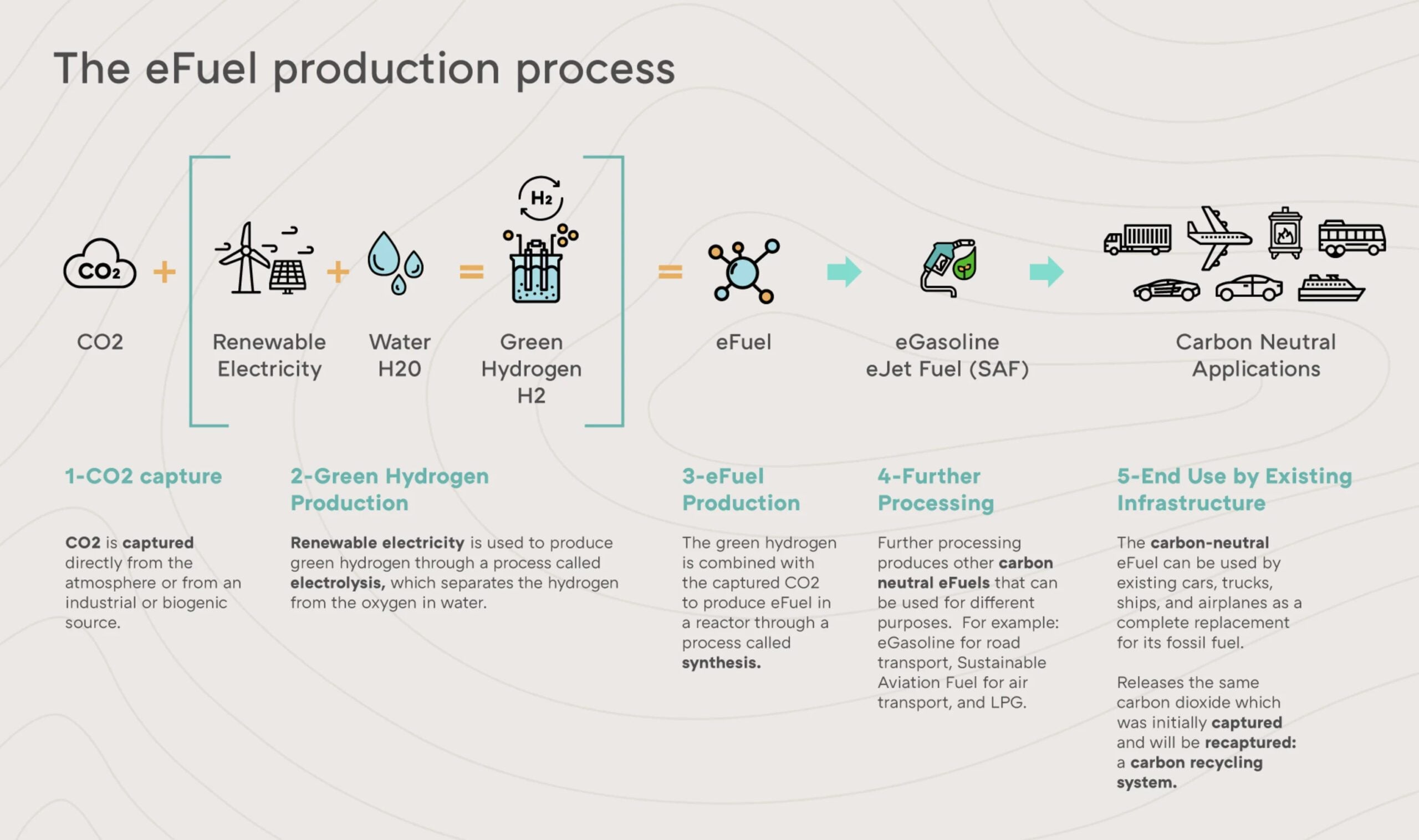
  • These fuels are chemically identical to petroleum-based counterparts but are produced using renewable energy, water, and captured carbon dioxide.
  • Production processes involve electrolysis to create green hydrogen, followed by synthesis with captured CO2 via processes like Fischer-Tropsch.
  • E-fuels can significantly reduce net carbon emissions, making them a “drop-in” solution for internal combustion engines without modification.
  • Key challenges include high production costs, vast energy requirements, and the need for scalable carbon capture infrastructure.
  • The US market, along with global partners, is exploring various pathways for e-fuel adoption in sectors like aviation, maritime, and automotive.
  • While not a primary solution for new passenger vehicles, e-fuels are critical for sectors where electrification is impractical or less efficient.
  • Regulatory frameworks and policy support will be vital for achieving economic viability and widespread deployment.

The Promise and Challenges of Synthetic Fuels (E-Fuels) for ICE Engines

The concept of creating liquid fuels from non-fossil sources is not new, but recent advancements in renewable energy and carbon capture technology have reinvigorated interest. Synthetic Fuels (E-Fuels) for ICE Engines are essentially manufactured hydrocarbons. They start with green hydrogen, produced through electrolysis powered by renewable electricity, like solar or wind. This hydrogen then reacts with captured carbon dioxide, often from industrial emissions or direct air capture. The result is a fuel that can be diesel, gasoline, or jet fuel.

This closed-loop carbon system promises significant emission reductions. When e-fuels burn in an engine, they release CO2, but this CO2 was initially removed from the atmosphere or captured from other sources. This process aims for a near-zero net carbon footprint. From an engineering standpoint, their “drop-in” nature is invaluable. They are fully compatible with existing engine designs, fuel delivery systems, and infrastructure. This avoids the immense costs and complexities of converting or replacing the world’s vast fleet of internal combustion vehicles.

Production Pathways and Scalability for E-Fuels

Manufacturing e-fuels involves several energy-intensive steps. The first is producing green hydrogen. Electrolysis splits water molecules into hydrogen and oxygen. This demands substantial quantities of renewable electricity and clean water. The second step involves combining this hydrogen with carbon dioxide. The Fischer-Tropsch process is a well-known method for this synthesis, converting syngas (a mix of CO and H2) into liquid hydrocarbons.

Current production facilities are largely pilot-scale or demonstration plants. Scaling these operations to meet a significant portion of global fuel demand presents a monumental challenge. It requires enormous investments in

Read Full News
Implementing Generative AI Tutors for Specialized Subjects

Implementing Generative AI Tutors for Specialized Subjects

Explores real-world implementation of Generative AI Tutors for Specialized Subjects, addressing design, deployment, and future potential.

The application of artificial intelligence in education has moved beyond basic question-answering. My team has spent considerable effort deploying intelligent systems tailored for specific, often niche, academic and professional fields. This involves more than just plugging in a large language model; it requires careful architectural planning, curated data, and iterative refinement based on user interaction in contexts ranging from advanced engineering to obscure historical periods. The goal is to provide a learning experience that rivals, or even surpasses, traditional tutoring for its accessibility and personalization.

Overview

  • Generative AI Tutors for Specialized Subjects are designed to provide highly personalized, deep learning experiences in niche fields.
  • Implementation demands meticulous data curation, domain expert collaboration, and robust prompt engineering.
  • These systems address challenges like content accuracy and contextual relevance by focusing on controlled knowledge bases.
  • Practical deployment in educational and professional settings, particularly within the US, demonstrates their potential impact.
  • Key benefits include scalable expertise, personalized learning paths, and accessibility for learners outside traditional structures.
  • The article will delve into design principles, deployment hurdles, and the future evolution of these advanced educational tools.

The Practical Application of Generative AI Tutors for Specialized Subjects

From my vantage point, building Generative AI Tutors for Specialized Subjects begins with a fundamental understanding of the target domain. We’re not teaching general knowledge; we’re breaking down complex concepts in areas like quantum physics or ancient legal systems. This demands a robust knowledge base, meticulously structured and often sourced from proprietary or otherwise restricted expert materials. Our experience shows that generic models, without this specialized grounding, often produce superficial or incorrect information, which is unacceptable in specialized learning environments.

The methodology often involves fine-tuning foundational models on curated datasets. This process is iterative. We feed the model textbooks, research papers, case studies, and even expert interviews. Then, we build sophisticated prompting strategies and response validation layers. This ensures the tutor can explain intricate theories, walk through complex problem-solving steps, and offer specific feedback aligned with disciplinary standards. For example, a tutor for advanced pharmacology needs to accurately explain drug interactions and metabolic pathways, not just define terms.

Designing Effective Learning Interactions

Effective design for specialized learning tools goes beyond content delivery. It focuses on the interaction itself. Our work emphasizes creating interfaces that allow learners to ask nuanced questions and receive responses that deepen understanding, not just state facts. This means enabling follow-up questions, providing examples, and offering alternative explanations. The system must adapt to the learner’s current understanding and pace.

We prioritize feedback loops from pilot users, especially subject matter experts. Their input helps refine the tutor’s conversational flow and accuracy. For instance, in a recent project for a US-based aerospace engineering program, early iterations of our AI tutor struggled with specific design constraints. Expert feedback guided adjustments, leading to a system that could intelligently discuss design trade-offs and safety protocols within the industry’s specific context. Such iterative development is crucial

Read Full News
Matching Petite Plain 18K Yellow Gold Engagement Ring to Your Style

Matching Petite Plain 18K Yellow Gold Engagement Ring to Your Style

Some jewellery designs remain timeless because they focus on simplicity, proportion and everyday elegance. A plain gold ring may appear understated at first glance, but its beauty often comes from the quality of the material, the comfort of the design and the meaning attached to it. The petite plain 18K yellow gold wedding ring offers a refined style for those who appreciate classic jewellery with a delicate finish. Choosing a petit plain 18k yellow gold engagement ring allows couples to embrace a design that combines traditional craftsmanship, warm gold tones and a versatile aesthetic suited to many personal styles.

The Timeless Appeal of a Plain Yellow Gold Ring

A plain wedding ring represents one of the most enduring jewellery styles. Without gemstones or intricate detailing, the focus remains on the beauty of the gold itself and the craftsmanship behind the piece.

The simplicity of a plain band allows it to feel effortlessly elegant. It can complement a wide range of engagement ring styles, from elaborate diamond designs to minimalist solitaire settings. For those who prefer jewellery that feels refined rather than decorative, a plain yellow gold ring offers a sophisticated choice.

The petite design adds another layer of appeal. A slimmer profile creates a delicate appearance while maintaining the traditional symbolism of a wedding band. This makes it particularly suitable for individuals who prefer lightweight jewellery that feels comfortable throughout the day.

A smaller, refined design does not mean less significance. In many cases, the most meaningful pieces are those that integrate naturally into everyday life while continuing to represent an important personal commitment.

The Warm Character of 18K Yellow Gold

The choice of 18K yellow gold gives this ring its distinctive warmth and luxurious feel. Yellow gold has been valued in fine jewellery for centuries due to its rich colour and timeless appeal.

With a higher gold content than many common gold alloys, 18K gold provides a premium appearance while maintaining the durability needed for a ring designed for regular wear. This balance makes it an appealing option for those seeking both elegance and practicality.

The warm tone of yellow gold also creates versatility. It pairs beautifully with classic jewellery styles while adding character to more contemporary looks. Whether worn alongside other gold pieces or as a standalone ring, its natural colour allows it to remain stylish across changing trends.

Yellow gold is also appreciated because it develops a unique character over time. As a ring is worn, small marks and changes become part of its story, creating a piece that feels personal and connected to the wearer.

Styling a Petite Plain Gold Ring

One of the strongest advantages of a petite plain 18K yellow gold ring is its ability to suit different preferences. Its clean design makes it easy to style with other jewellery without creating visual competition.

For someone with a classic style, the ring can be paired with traditional gold jewellery for a coordinated appearance. Those with a more modern aesthetic may appreciate its minimalist qualities

Read Full News
Authentic Cultural Immersion in “Forbidden” Cities

Authentic Cultural Immersion in “Forbidden” Cities

Exploring cultural depths in restricted regions offers unique insights. Authentic experiences build understanding, respecting local traditions.

My personal experience with travel to regions often labeled as “forbidden” or highly restricted has shaped my perspective on authentic engagement. These places are rarely truly “forbidden” in an absolute sense. Instead, they often require specific permits, government clearances, or participation in authorized programs. The term itself evokes mystery and a sense of exclusive access, which can be both appealing and challenging for travelers seeking genuine understanding. My journeys have led me from isolated Himalayan valleys to politically sensitive territories, always with a goal beyond mere sightseeing. It’s about building a connection, however fleeting, with ways of life distinct from our own, particularly for those of us from the US or similar backgrounds.

Overview

  • Cultural Immersion in “Forbidden” Cities involves meticulous planning and adherence to local regulations.
  • Authentic experiences prioritize genuine interaction over superficial tourism.
  • Building trust with local communities is essential for meaningful engagement.
  • Understanding historical and political contexts shapes respectful travel behaviors.
  • Ethical considerations guide choices from tour operators to personal conduct.
  • Preparation includes language basics, cultural etiquette, and necessary permits.
  • Such journeys offer profound insights into diverse human experiences and resilience.

Cultural Immersion in “Forbidden” Cities: The Lure of Restricted Access

The attraction to places with restricted access is multifaceted. It stems from a desire for authenticity, a yearning to see cultures untouched by mass tourism. Many “forbidden” cities or regions maintain their unique character precisely because access is controlled. This limitation often preserves traditional customs, architecture, and daily routines that might otherwise erode under unchecked visitor influx. My own interest always centers on the preservation of these unique cultural landscapes.

Engaging with these areas requires careful preparation. It’s not about sneaking in, but about understanding and respecting the rules. Often, these rules exist for valid reasons, such as protecting fragile ecosystems, preserving sacred sites, or ensuring the safety of visitors and residents alike. When I visited parts of Myanmar and Tibet before wider access became available, the limited tourism meant interactions felt more personal. Locals were curious, and our exchanges felt more genuine, less transactional. This level of access permitted a true Cultural Immersion in “Forbidden” Cities.

Preparing for Authentic Encounters

Preparation for such journeys extends beyond obtaining visas. It involves extensive research into the local socio-political landscape, history, and current events. Understanding the nuances of a region helps travelers avoid misunderstandings and show genuine respect. Learning basic phrases in the local language, even a few greetings, can significantly open doors and foster goodwill. It signals an effort to connect, rather than simply observe.

Securing reputable local guides and operators is paramount. These individuals are not just translators; they are cultural bridges. They can explain subtle customs, introduce you to community members, and clarify appropriate behavior in sensitive situations. My most valuable experiences have always come through trusted local connections. These guides often possess generations of knowledge about their regions. They are key facilitators for a truly authentic

Read Full News