


A roof leak rarely starts with water dripping from the ceiling. Moisture often travels through rafters, insulation, or wall cavities before becoming visible inside the home. Learning how professionals track down hidden leaks helps homeowners understand why accurate inspections matter and why early action can prevent more extensive damage.
Why the Leak You See Is Often Not the Real Problem
Water does not always enter a house directly above the stain it creates. Rain can move along roof decking, framing, or underlayment before finally soaking into drywall several feet away from the original opening. That makes roof leak detection more complex than simply looking for missing shingles or wet spots indoors.
Experienced Huntsville roofers begin by studying the roof’s design, slope, flashing locations, and drainage patterns before narrowing down possible entry points. Instead of guessing, they follow the path water is most likely to travel, helping avoid unnecessary repairs while identifying the true source of the problem.
Exterior Roof Inspections Reveal the First Clues
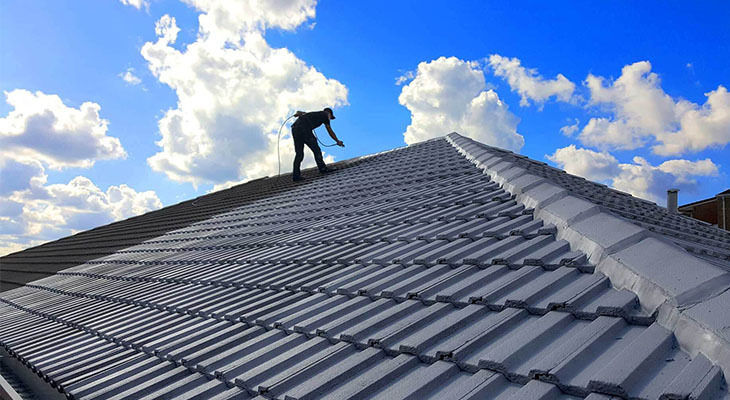
Professional inspections usually begin outside because the roof surface provides valuable evidence. Damaged shingles, lifted flashing, cracked vent boots, exposed fasteners, worn sealants, and clogged valleys all offer signs that water may be entering the roofing system. Even small defects can allow moisture inside after repeated storms.
Careful inspectors also look beyond the obvious damage. Wind can loosen roofing materials without tearing them away completely, while hail may shorten the lifespan of shingles long before leaks appear. Homeowners searching for roofing near me often benefit from a detailed inspection that identifies developing issues before they require major repairs.
Attic Evaluations Help Trace Hidden Moisture
Interior inspections frequently focus on the attic because it exposes parts of the roof structure that remain hidden from outside. Water stains on rafters, damp insulation, mold growth, or darkened wood often point investigators toward the direction of moisture movement. Fresh leaks sometimes leave shiny water trails that become easier to follow after rainfall.
Temperature differences inside the attic can also reveal ventilation problems that contribute to condensation. Although condensation is not always caused by roof damage, distinguishing between trapped moisture and an actual leak helps prevent unnecessary repairs while ensuring the correct problem gets fixed.
Flashing and Roof Penetrations Deserve Extra Attention
Many residential leaks develop around areas where the roof has been interrupted. Chimneys, plumbing vents, skylights, satellite mounts, and roof valleys require carefully installed flashing that directs water away from vulnerable openings. Over time, metal flashing can separate, sealants can crack, and fasteners can loosen because of seasonal expansion and contraction.
Inspection teams spend additional time examining these transition points since they experience constant exposure to weather. A homeowner searching for roof repair near me may discover that replacing deteriorated flashing solves the issue without requiring widespread work across the entire roof.
Water Testing Can Confirm Hard-to-Find Leaks
Certain leaks appear only during heavy wind-driven rain, making them difficult to locate during dry weather. In those situations, roofing professionals may perform controlled water testing. One technician applies water to small sections of the roof while another watches inside for signs of moisture, allowing the exact entry point to be identified.
Controlled testing follows a deliberate sequence rather than soaking the entire roof at once. Isolating one section at a time prevents confusion and helps determine which roofing component has failed. This method often eliminates unnecessary guesswork during Huntsville roof repair projects.
Technology Improves Modern Leak Detection
Today’s inspections often include tools that provide information beyond what the eye can see. Moisture meters measure dampness inside building materials, while infrared thermal imaging may detect temperature differences created by trapped moisture beneath roofing materials. Drones also allow inspectors to safely examine steep or difficult-to-access roofs without causing additional damage.
Although advanced equipment improves accuracy, experienced judgment remains equally important. Skilled technicians combine technology with traditional inspection methods to confirm findings before recommending repairs or a complete roof replacement if widespread deterioration has compromised the roofing system.
Knowing When Repairs Are No Longer Enough
Not every leak signals the end of a roof’s service life. Localized damage caused by missing shingles, flashing failures, or isolated storm impacts can often be repaired successfully. Older roofs with widespread material deterioration, repeated leaks, or extensive structural damage may require a more comprehensive solution instead.
Age, previous repairs, ventilation quality, and the condition of the roof deck all influence that decision. A qualified roof repair company evaluates the entire roofing system rather than focusing only on the visible leak, helping homeowners invest in repairs that make long-term financial sense.
Professional Diagnosis Saves Time and Prevents Repeat Problems
Attempting to seal the first visible crack rarely guarantees that the actual leak has been solved. Effective leak detection requires understanding how roofing materials work together, how water behaves during different weather conditions, and how small defects can affect the entire system over time.
Homeowners looking for a dependable roof company can benefit from working with experienced professionals who emphasize accurate inspections before recommending repairs. Fleming Roofing provides residential roofing services that include detailed leak detection, Huntsville roof repair, repair recommendations, and roof replacement solutions designed to address the real source of water intrusion rather than simply covering the visible symptoms.


