


Examining Synthetic Fuels (E-Fuels) for ICE Engines: production, performance, and market viability from an experienced engineering perspective.
My career in automotive engineering has provided a front-row seat to the evolving landscape of vehicle propulsion. We’ve witnessed a significant push towards electrification, yet the role of internal combustion engines (ICE) is far from over, especially for existing fleets and specialized applications. This reality brings a spotlight onto alternative liquid fuels, particularly those manufactured synthetically. My observations from projects and industry discussions confirm their potential.
Overview:
- Synthetic Fuels (E-Fuels) for ICE Engines offer a path to decarbonize existing vehicle fleets and legacy infrastructure.
- These fuels are chemically identical to petroleum-based counterparts but are produced using renewable energy, water, and captured carbon dioxide.
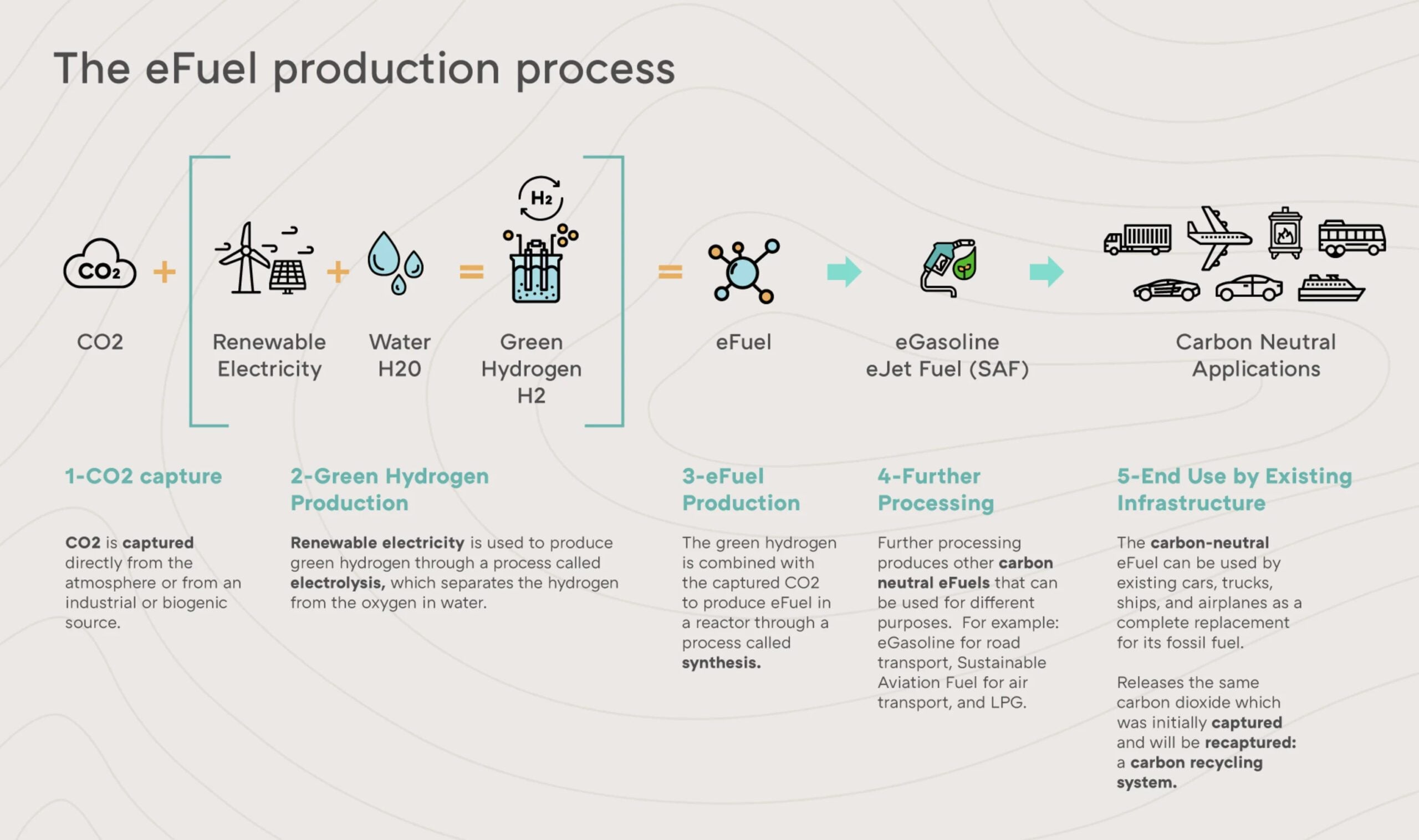
- Production processes involve electrolysis to create green hydrogen, followed by synthesis with captured CO2 via processes like Fischer-Tropsch.
- E-fuels can significantly reduce net carbon emissions, making them a “drop-in” solution for internal combustion engines without modification.
- Key challenges include high production costs, vast energy requirements, and the need for scalable carbon capture infrastructure.
- The US market, along with global partners, is exploring various pathways for e-fuel adoption in sectors like aviation, maritime, and automotive.
- While not a primary solution for new passenger vehicles, e-fuels are critical for sectors where electrification is impractical or less efficient.
- Regulatory frameworks and policy support will be vital for achieving economic viability and widespread deployment.
The Promise and Challenges of Synthetic Fuels (E-Fuels) for ICE Engines
The concept of creating liquid fuels from non-fossil sources is not new, but recent advancements in renewable energy and carbon capture technology have reinvigorated interest. Synthetic Fuels (E-Fuels) for ICE Engines are essentially manufactured hydrocarbons. They start with green hydrogen, produced through electrolysis powered by renewable electricity, like solar or wind. This hydrogen then reacts with captured carbon dioxide, often from industrial emissions or direct air capture. The result is a fuel that can be diesel, gasoline, or jet fuel.
This closed-loop carbon system promises significant emission reductions. When e-fuels burn in an engine, they release CO2, but this CO2 was initially removed from the atmosphere or captured from other sources. This process aims for a near-zero net carbon footprint. From an engineering standpoint, their “drop-in” nature is invaluable. They are fully compatible with existing engine designs, fuel delivery systems, and infrastructure. This avoids the immense costs and complexities of converting or replacing the world’s vast fleet of internal combustion vehicles.
Production Pathways and Scalability for E-Fuels
Manufacturing e-fuels involves several energy-intensive steps. The first is producing green hydrogen. Electrolysis splits water molecules into hydrogen and oxygen. This demands substantial quantities of renewable electricity and clean water. The second step involves combining this hydrogen with carbon dioxide. The Fischer-Tropsch process is a well-known method for this synthesis, converting syngas (a mix of CO and H2) into liquid hydrocarbons.
Current production facilities are largely pilot-scale or demonstration plants. Scaling these operations to meet a significant portion of global fuel demand presents a monumental challenge. It requires enormous investments in renewable energy infrastructure, carbon capture technologies, and chemical synthesis plants. The US, for instance, has several initiatives exploring carbon capture and hydrogen production, recognizing their strategic importance. Securing sufficient renewable energy and CO2 sources globally remains a significant hurdle for widespread e-fuel adoption.
Real-World Application and Performance of Synthetic Fuels (E-Fuels) for ICE Engines
From a performance perspective, Synthetic Fuels (E-Fuels) for ICE Engines are designed to meet or exceed current fuel standards. Lab tests and prototype vehicle trials show promising results. These fuels often have fewer impurities, such as sulfur, compared to traditional petroleum. This can lead to cleaner combustion and potentially reduce engine wear over time. My own professional observations confirm that e-fuels behave much like their fossil counterparts in modern engines.
In fact, some e-fuels can even improve engine efficiency and reduce local emissions of pollutants like particulates and nitrogen oxides. The primary benefit, however, lies in their ability to decarbonize sectors that are difficult to electrify. This includes long-haul trucking, heavy construction equipment, shipping, and aviation. For classic cars and specialty vehicles, e-fuels offer a sustainable future, preserving automotive heritage while meeting environmental goals. Their “drop-in” capability means no engine modifications are needed, making them instantly usable across the entire existing fleet.
The Economic and Regulatory Landscape for Synthetic Fuels (E-Fuels) for ICE Engines
The current economic viability of Synthetic Fuels (E-Fuels) for ICE Engines is a major area of focus. Production costs are significantly higher than conventional fuels due to the capital-intensive processes and high energy inputs required for green hydrogen generation and carbon capture. This cost barrier is the most formidable challenge to overcome. Without substantial policy support, subsidies, or carbon pricing mechanisms, widespread market penetration will be difficult.
Governments worldwide, including in the US, are beginning to recognize the strategic importance of e-fuels. Policies supporting renewable energy, hydrogen production, and carbon capture infrastructure are crucial. These include tax incentives, research grants, and mandates for low-carbon fuels in specific sectors. As renewable energy costs decrease and carbon capture technologies become more efficient, the cost gap will narrow. Early adoption in high-value or hard-to-abate sectors, coupled with regulatory drivers, will pave the way for broader deployment and a more sustainable future for internal combustion propulsion.


