




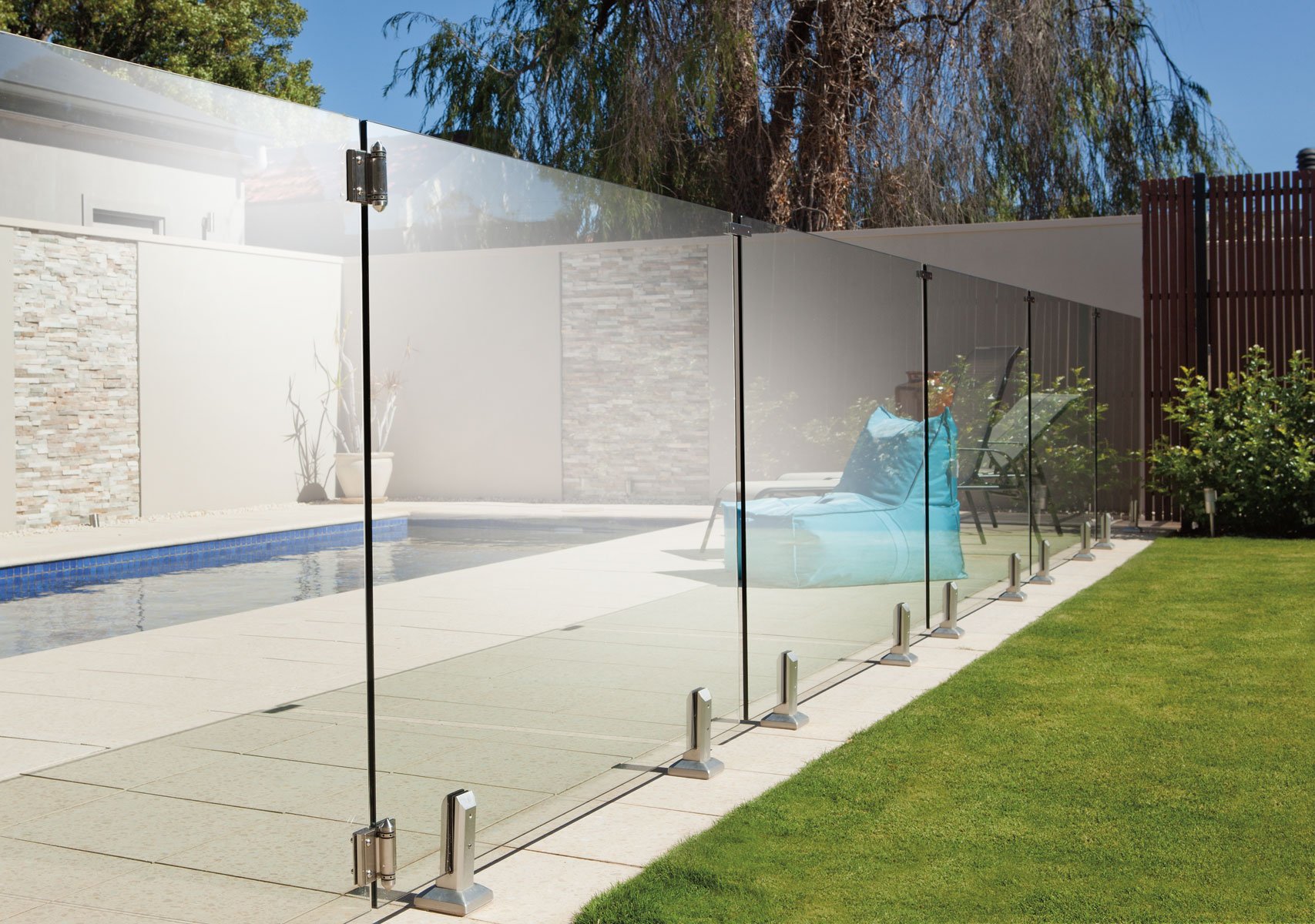
How To Upgrade Glass Fencing Sunshine Coast
Elevate your outdoor space! Discover smart ways to upgrade your existing Glass Fencing Sunshine Coast for enhanced aesthetics, safety, and functionality.
How To Upgrade Glass Fencing Sunshine Coast
Key Takeaways:
- Assess your current Glass Fencing Sunshine Coast for safety compliance and structural integrity before planning upgrades.
- Consider enhancing aesthetics with updated hardware, integrated lighting, or a different glass finish.
- Improve functionality with smart gate access, self-cleaning coatings, or windbreaks.
- Regular cleaning and maintenance are fundamental to preserving the beauty and longevity of your upgraded fence.
- Ensure all upgrades, particularly for pool fencing, adhere to relevant in Australia safety standards.
For many homeowners on the Sunshine Coast, a glass fence is already a cherished feature, offering beautiful, unobstructed views and a sense of openness around pools, decks, and garden spaces. However, over time, even the most elegant Glass Fencing Sunshine Coast can benefit from an upgrade. Perhaps the hardware is showing signs of wear, the original design feels dated, or new technology offers improved functionality and aesthetics. Upgrading your existing glass fence isn’t just about making it look new; it’s an opportunity to enhance safety, improve usability, and further integrate it into your evolving outdoor lifestyle. This comprehensive guide will explore various ways to upgrade your Glass Fencing Sunshine Coast, ensuring it continues to be a stunning and functional asset to your property.
Assessing Your Current Glass Fencing Sunshine Coast
Before embarking on any upgrade, a thorough assessment of your existing Glass Fencing Sunshine Coast is crucial. This initial step will help you identify areas for improvement and ensure that any changes contribute to a safer, more durable, and more visually appealing result.
- Safety and Compliance Check: This is the absolute first step, especially if your glass fence encloses a pool. Over time, regulations can change, or components can wear, leading to non-compliance.
- Inspect Glass Panels: Look for chips, cracks, or signs of delamination (if laminated glass was used). While rare with toughened safety glass, impact damage can occur.
- Check Hardware: Examine spigots, posts, hinges, and latches for rust, corrosion, looseness, or damage. Are the spigots firmly anchored? Are the hinges operating smoothly? Does the gate self-close and self-latch effectively? For coastal properties on the Sunshine Coast, corrosion is a common issue if the original hardware wasn’t marine-grade stainless steel (316).
- Verify Gaps: Ensure the gaps between panels, and between the bottom of the panels and the ground, still meet the maximum allowable distances (typically 100mm) as per in Australia safety standards. Over time, ground settlement can sometimes alter these gaps.
- Gate Functionality: Crucially, test your pool gate. Does it always self-close and self-latch from any open position? Is the latch height compliant and inaccessible to small children? This is the most common point of failure for pool fence compliance.
- Climbable Objects: Re-assess the area around the fence. Have any new climbable objects (e.g., BBQ, pot plants, garden beds) been placed within 900mm of the fence that could aid a child in climbing over?
- Local Council Regulations: Briefly check with


