


Creating Effective Remarketing Lists
Craft powerful remarketing lists for targeted ad campaigns. Re-engage past visitors effectively to boost conversions and maximize your ROI.
In the competitive digital landscape, re-engaging potential customers is crucial for sustained growth. Simply driving initial traffic isn’t enough; true success often lies in what happens next. Effective remarketing campaigns turn browsers into buyers by intelligently targeting users who have already shown interest in your product or service. This process involves segmenting your audience precisely, building lists based on their interactions, and delivering tailored messages.
Overview:
- Remarketing focuses on re-engaging users who previously interacted with your website or app.
- Audience segmentation is key to creating highly effective lists, moving beyond generic “all visitors.”
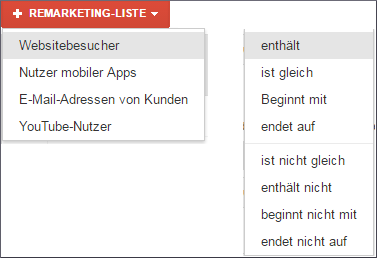
- Data sources for lists include website activity, app usage, customer match data, and YouTube interactions.
- Dynamic remarketing personalizes ads with specific products users viewed, boosting relevance.
- Exclusion lists are vital to prevent showing ads to already converted customers or unqualified leads.
- Frequent testing and iteration of list criteria and ad creatives are necessary for optimal performance.
- Careful consideration of audience size, duration, and conversion paths improves campaign ROI.
Foundational Principles for Remarketing Listen Erstellen
My experience running digital campaigns, from small e-commerce shops to large enterprise clients in the US, consistently shows that the quality of your remarketing lists directly impacts campaign success. It’s not just about creating a list of “all website visitors.” That’s a starting point, but rarely the most effective strategy. We begin by segmenting users based on intent. Someone who visited a product page for more than 30 seconds shows higher intent than someone who bounced immediately from the homepage.
When you Remarketing Listen Erstellen, think about the user journey. What specific actions indicate a strong purchase signal?
- Product Page Views: Users viewing specific items. This is prime for dynamic remarketing.
- Cart Abandonment: The classic high-intent group. They were one step away from buying.
- Category Page Browsers: Users interested in a product type, but not a specific item yet.
- Content Engagers: Those who read blog posts or watched videos related to your offerings, suggesting interest in your niche.
- Specific Event Triggers: E.g., signed up for a webinar, downloaded an ebook, used a search function.
Each of these segments warrants a different ad message. A cart abandoner needs a reminder or an incentive. A blog reader needs more educational content or an introduction to relevant products. The power lies in this specificity.
Advanced Strategies for Dynamic Remarketing
Beyond basic segmentation, dynamic remarketing takes personalization to the next level. This method allows you to show previous visitors ads for the exact products or services they viewed on your site. This requires a well-structured product feed (for e-commerce) or a service feed (for services businesses) integrated with your ad platform, like Google Ads. Setting up a robust feed ensures that ad creatives are automatically populated with relevant images, prices, and descriptions.
From a practical standpoint, this means if a user looks at a blue widget, they’ll see an ad for that blue widget. The effectiveness stems


