

nvidia geforce gtx 400 series graphics cards
Key Takeaways:
- The GTX 400 series marked a major architectural shift for NVIDIA, moving to the new Fermi microarchitecture.
- The cards were the first from NVIDIA to support DirectX 11, including key features like hardware tessellation.
- Initial models, particularly the GTX 480, were known for high power consumption and significant heat output.
- Despite these challenges, the series set the foundation for modern GPU computing with its focus on parallel processing.
NVIDIA GeForce GTX 400 Series Graphics Cards: A Bold New Era
The launch of the NVIDIA GeForce GTX 400 series in March 2010 was a significant moment in PC gaming history. It represented a fundamental change in how NVIDIA designed its GPUs. This new generation of graphics cards promised to deliver realistic graphics and new levels of detail that were not possible on previous hardware.
The move to the Fermi architecture was not without its challenges. The initial chips were large and complex, leading to some manufacturing difficulties. This resulted in a delayed launch, giving rival AMD a head start with their DirectX 11-capable cards. Despite this, the GTX 400 series brought many new features to the table that would shape the future of PC graphics and GPU computing.
Key Features and the Fermi Architecture
This new design was a major departure from NVIDIA’s previous architectures. The GF100 chip had 16 of these SMs, each containing 32 CUDA cores. This setup allowed the GPU to handle a large number of tasks simultaneously. The new architecture also introduced a unified cache, making it more efficient at managing data.
One of the most important new features was hardware tessellation. Tessellation is a DirectX 11 feature that allows a GPU to automatically generate and add geometric detail to a 3D model in real time. This made it possible for games to have much more realistic and detailed environments without a massive performance hit. These features were a strong selling point for a new generation of games that could take full advantage of the new hardware.
The Power and Heat Controversy
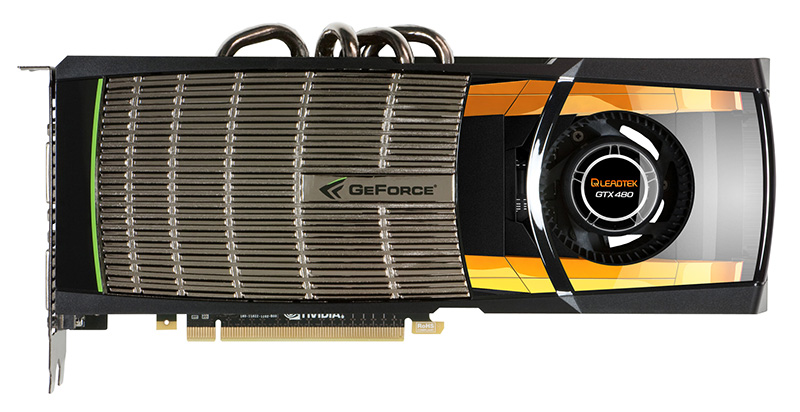
When the GeForce GTX 480 was first released, it came with a lot of buzz, but it was quickly followed by a lot of discussion about its performance metrics. While it was a powerful card for its time and capable of handling modern games, it was also known for being a power-hungry and hot component. The GTX 480 had a Thermal Design Power (TDP) of 250 Watts, which was very high compared to its competitors. This high power draw resulted in a significant amount of heat being generated.
The heat issue was a frequent topic in reviews and discussions. Many reports noted that the card could reach temperatures approaching 94°C under heavy gaming loads. The high temperatures also meant that the fans on the stock cooler had to spin very fast to keep it cool, leading to a lot of noise. This made the GTX 480 less appealing to people who wanted a quiet gaming PC. Despite these issues, the …